

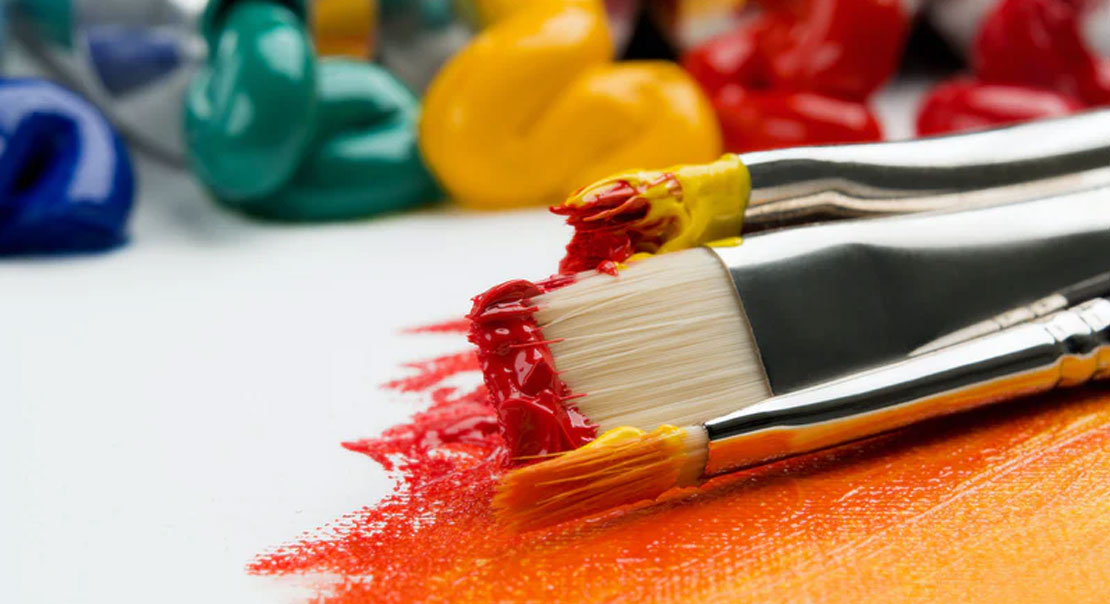
In the vast canvas of education, art serves as more than just a subject—it’s a vibrant palette of colors that enriches the learning experience, fosters creativity, and nurtures the soul. For homeschool students, the integration of art and creative expression is not just beneficial—it’s essential. In this blog post, we’ll explore the importance of art in homeschool education and provide ideas for incorporating art activities into the curriculum to inspire young minds and ignite a lifelong love for the arts.
Fostering Creativity and Self-Expression:
Art provides a unique outlet for homeschool students to express themselves creatively and explore their inner worlds. Through drawing, painting, sculpting, and other forms of artistic expression, students can communicate their thoughts, emotions, and ideas in a visual language that transcends words. This creative freedom encourages self-discovery, boosts self-confidence, and empowers students to embrace their individuality.
Enhancing Critical Thinking and Problem-Solving Skills:
Engaging in art activities stimulates critical thinking and problem-solving skills in homeschool students. As they experiment with different mediums, techniques, and styles, students learn to analyze, evaluate, and make decisions about their artistic creations. They develop the ability to think outside the box, adapt to new challenges, and approach problems from multiple perspectives—a valuable skill set that extends far beyond the art studio.
Cultivating Cultural Awareness and Appreciation:
Art exposes homeschool students to diverse cultures, traditions, and perspectives from around the world. Through studying art history, exploring different artistic movements, and creating art inspired by various cultures, students gain a deeper understanding and appreciation for the rich tapestry of human creativity. They learn to respect and celebrate cultural diversity, fostering empathy, tolerance, and global citizenship.
Ideas for Incorporating Art into the Curriculum:
- Integrate Art Across Subjects: Incorporate art activities into other areas of the curriculum, such as history, science, literature, and mathematics. For example, create historical art projects inspired by ancient civilizations, scientific illustrations of plant and animal life, or artistic interpretations of literary characters and themes.
- Explore Different Mediums: Encourage students to experiment with different art mediums and techniques, including drawing, painting, collage, sculpture, photography, and digital art. Provide opportunities for hands-on exploration and discovery, allowing students to find their artistic voice and express themselves authentically.
- Connect with Artists and Artisans: Invite guest artists, artisans, and craftsmen to share their expertise and passion for art with homeschool students. Organize field trips to local art galleries, museums, studios, and workshops to expose students to a variety of artistic styles, techniques, and traditions.
- Celebrate Creative Expression: Create a supportive and nurturing environment that celebrates creative expression and artistic achievement. Display students’ artwork proudly in the home, host art exhibitions or showcases, and encourage students to share their artistic creations with family, friends, and the community.
In conclusion, art is not just an extracurricular activity—it’s an integral part of homeschool education that nurtures creativity, fosters critical thinking, and cultivates cultural awareness. By incorporating art activities into the curriculum, homeschool families can inspire young minds, ignite a passion for the arts, and enrich the educational experience for students of all ages.
Fair winds and creative inspiration ahead!